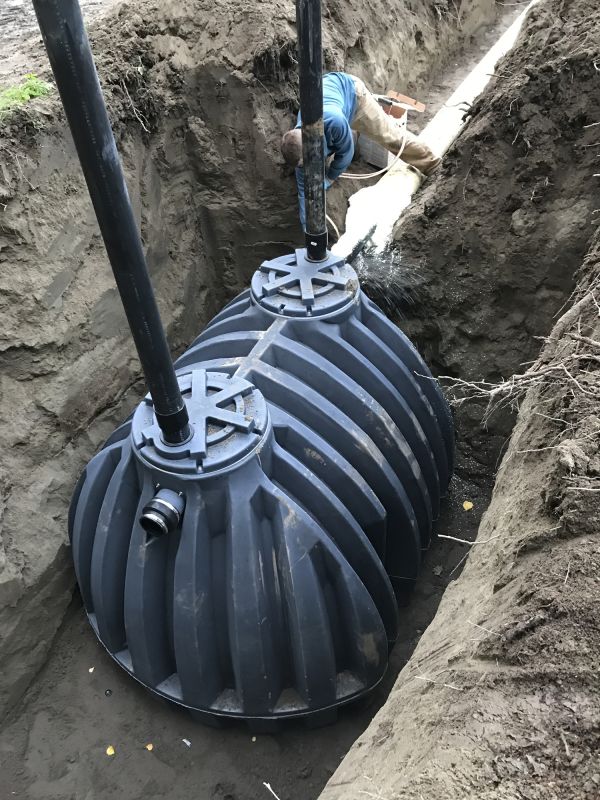
Septic System Relocation in San Antonio, TX
Septic system relocation services involve moving an existing septic tank and drain field to a different area on a property. This process is often requested when homeowners plan to build new structures, renovate existing ones, or change the layout of their property, and the current septic system no longer suits their needs or site conditions. Projects can range from shifting the septic system due to space constraints to repositioning it for better access or improved functionality. Property owners should understand the importance of site assessment, soil conditions, and local regulations before requesting a relocation, as these factors influence the feasibility and planning of the project.
Before requesting septic system relocation services, property owners typically want to know about the necessary permits, potential impacts on property use, and the general steps involved in moving the system. It’s also helpful to understand the timeline, any required site preparations, and how the new location will meet their household or business needs. Proper planning ensures the relocated system functions effectively and complies with local health and safety standards, making it a crucial consideration for those looking to optimize their property’s septic infrastructure.
Many property owners in San Antonio, TX look into Septic System Relocation for repairs, replacements, upgrades, and appearance-related improvements.
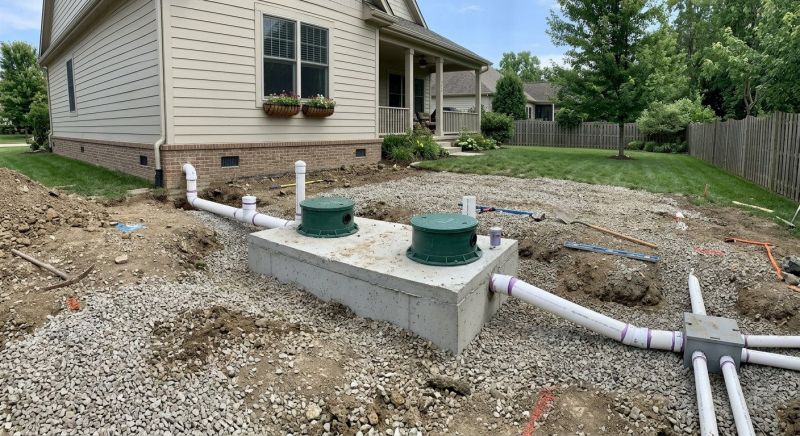
Reasons For Septic System Relocation
Property changes or expansion plans may require moving an existing septic system.
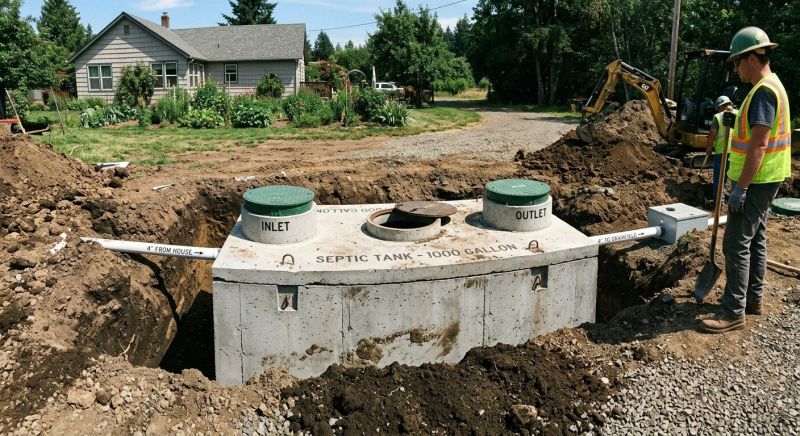
Key Considerations For Moving Septic Systems
Proper site assessment and adherence to local regulations are essential for a successful relocation.
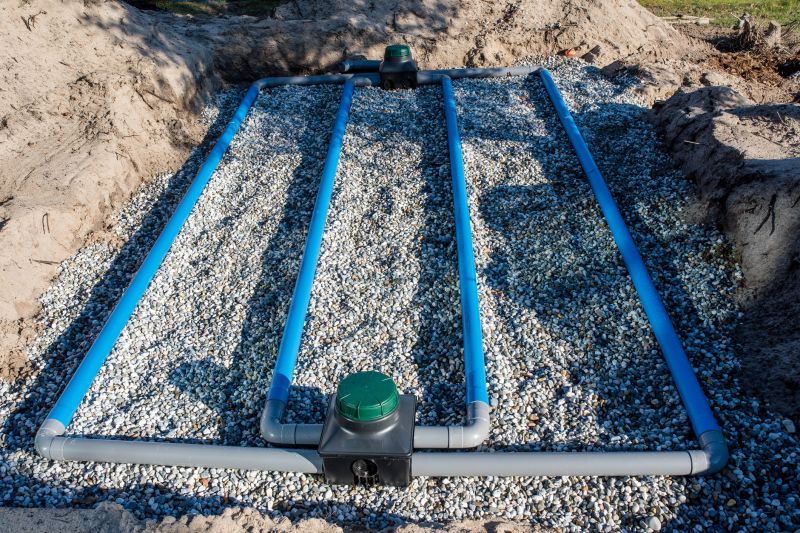
Benefits Of Professional Septic Relocation
Expert services ensure the system is installed correctly and functions reliably in its new location.
Septic System Relocation in San Antonio, TX

Septic system relocation services involve moving an existing septic tank and drain field to a different area on a property. This process is often requested when homeowners plan to build new structures, renovate existing ones, or change the layout of their property, and the current septic system no longer suits their needs or site conditions. Projects can range from shifting the septic system due to space constraints to repositioning it for better access or improved functionality. Property owners should understand the importance of site assessment, soil conditions, and local regulations before requesting a relocation, as these factors influence the feasibility and planning of the project.
Before requesting septic system relocation services, property owners typically want to know about the necessary permits, potential impacts on property use, and the general steps involved in moving the system. It’s also helpful to understand the timeline, any required site preparations, and how the new location will meet their household or business needs. Proper planning ensures the relocated system functions effectively and complies with local health and safety standards, making it a crucial consideration for those looking to optimize their property’s septic infrastructure.
Many property owners in San Antonio, TX look into Septic System Relocation for repairs, replacements, upgrades, and appearance-related improvements.
Common Septic System Relocation Jobs
Septic System Relocation - involves moving an existing septic system to a new location on the property.
Site assessment services - evaluate land conditions to determine the best new placement for the septic system.
Permitting assistance - help navigate local regulations and obtain necessary approvals for system relocation.
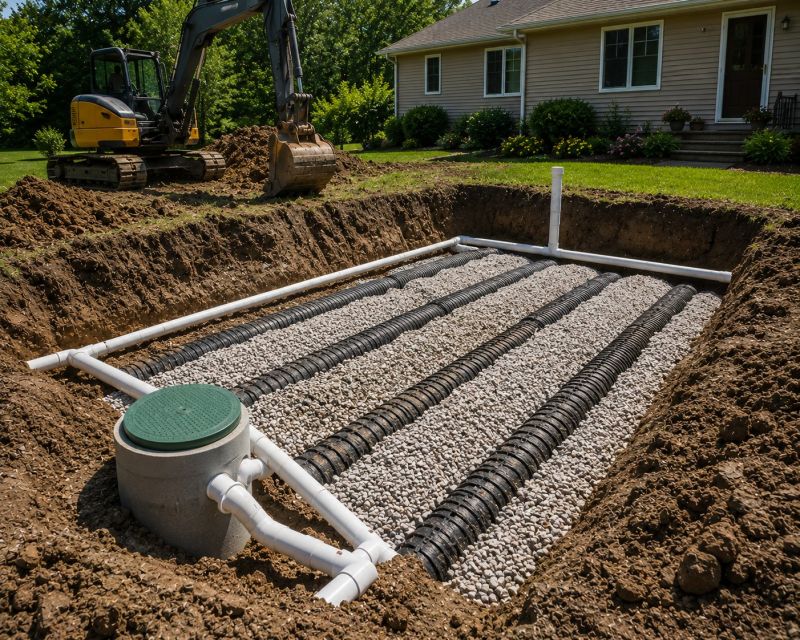
Drain field redesign - create a new drain field layout suited for the property's current topography.
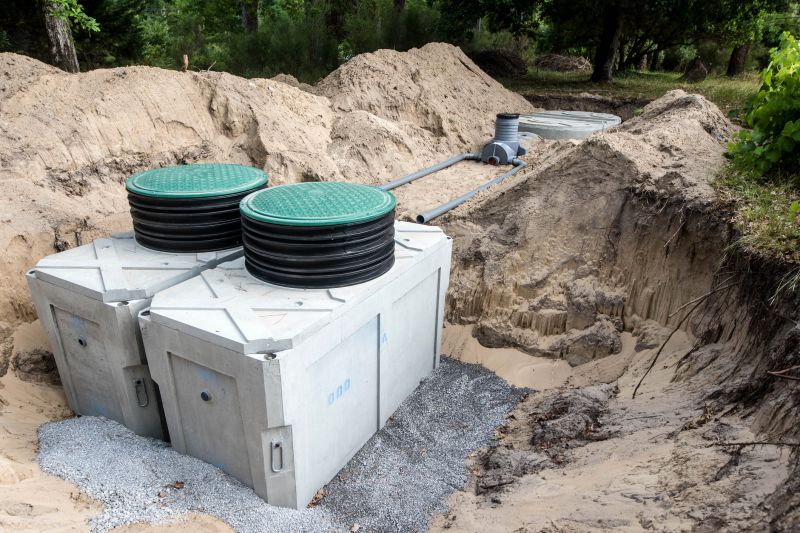
Excavation and installation - safely excavate and install the septic system in the designated new area.
System connection and testing - ensure proper connection to the home and verify system functionality after relocation.
Septic System Relocation Questions
What is involved in relocating a septic system? The process includes assessing the site, excavating the existing system, and installing the septic components in a new location to ensure proper function.
When should a septic system be relocated? Relocation is typically needed due to property development, drainage issues, or to meet zoning requirements for new construction.
Are there permits required for septic system relocation? Yes, local permits are usually necessary to ensure the new installation complies with regulations and codes.
What should property owners consider before relocating a septic system? Factors include site suitability, distance from wells and structures, and the impact on property layout and future use.
Request Septic System Relocation in San Antonio, TX
Use the quote form on this page to share the basics of your project and request more information for the type of work you need.