Spring Planning for Residential Septic Tank Installation Projects
Spring is a great time for property owners to plan and connect with local contractors for reliable septic tank installation and seasonal property improvements.
Spring is a popular season for residential septic tank installation because it offers favorable weather conditions that facilitate construction and site preparation. As temperatures begin to rise and soil conditions improve after winter, it becomes easier for contractors to work efficiently and safely. Additionally, spring provides homeowners with an opportunity to plan ahead for the warmer months when outdoor living and yard use increase, ensuring that septic systems are properly installed and functioning before heavy seasonal activity begins.
Typically, septic tank installation services encompass site assessment, system design, and the installation of the tank and associated components. Local contractors evaluate the property’s terrain, soil type, and drainage patterns to determine the most suitable system size and configuration. The process often involves excavation, placement of the tank, connection to existing plumbing, and testing to ensure proper operation. Many providers also include guidance on system maintenance and future care to help property owners maintain their septic systems effectively.
When exploring options for septic tank installation, property owners can compare local service providers based on experience, reputation, and the scope of services offered. It’s helpful to review credentials such as customer feedback, industry experience, and the range of solutions provided. Consulting with multiple contractors allows for a clearer understanding of the approaches available and helps identify which local pros are best equipped to meet specific project needs. This comparison process ensures that property owners can select a reliable and capable team to handle their septic system installation efficiently.
Plan your spring septic tank installation by outlining priorities and comparing local service providers for the best fit.
- Expert Septic Tank Installation - Local contractors can provide professional installation tailored to residential needs.
- Septic System Planning - Spring is a good time to evaluate and plan for a new or replacement septic system.
- Site Preparation Services - Local service providers can prepare the site for efficient and compliant septic tank installation.
- Septic System Inspection - Professionals can assess existing systems to determine if upgrades or repairs are needed.

Before comparing options, clearly describe your residential septic tank installation project to help local contractors provide suitable solutions.
- Assess site conditions - ensure the installation area has proper drainage and sufficient space for the septic tank and related components.
- Verify soil suitability - check that the soil type and composition support septic system function and longevity.
- Review local regulations - understand permitting requirements and setback distances to ensure compliance with local codes.
- Evaluate access for equipment - confirm there is adequate access for heavy machinery to install the septic tank safely.
- Determine system capacity needs - consider household size and water usage to select an appropriately sized septic system.
- Research experienced service providers - find local contractors with expertise in residential septic tank installation for quality workmanship.
Use this to explore how local contractors can assist with spring septic tank installation projects.
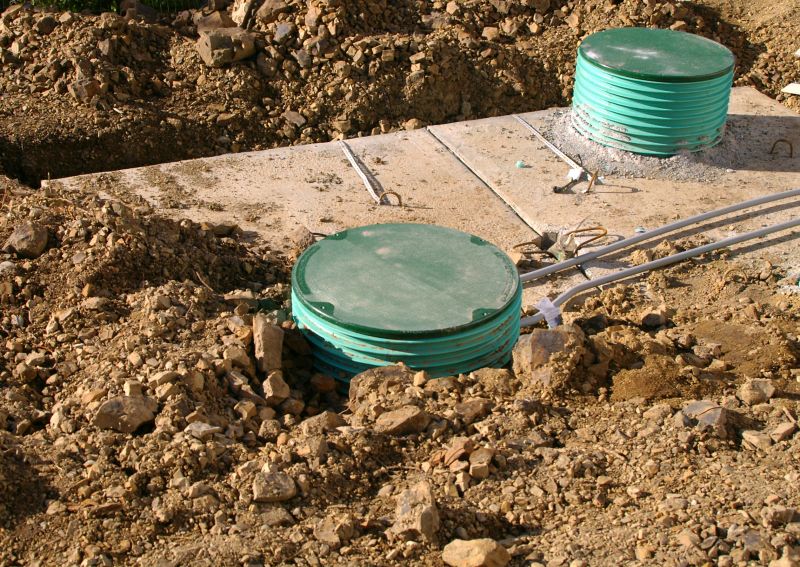

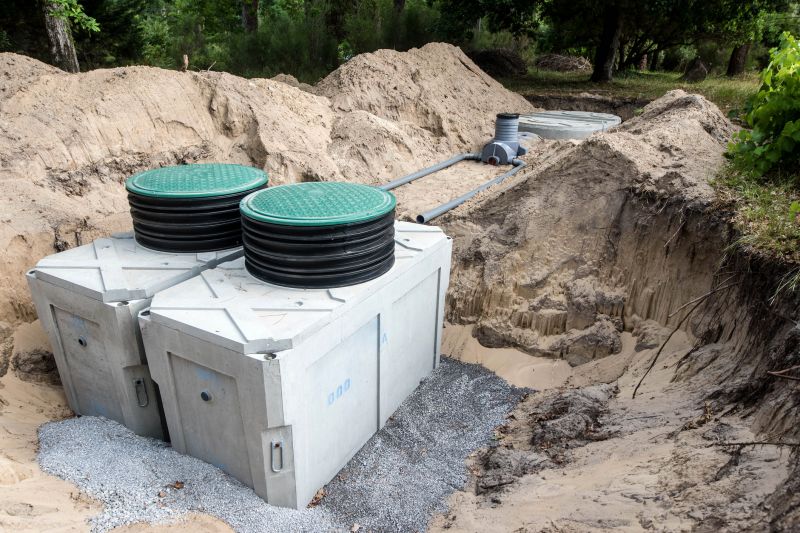
Prioritize your project needs and compare local contractors to find the best fit for your spring installation.
- Septic Tank Inspection and Maintenance - Spring is an ideal time to have local contractors inspect and maintain existing septic systems to ensure they are functioning properly after winter.
- Septic System Upgrades - Consider upgrading or expanding a septic tank to accommodate seasonal household changes or new construction projects with the help of local service providers.
- Drain Field Repair and Replacement - Spring weather can reveal issues with drain fields; local contractors can assess and perform necessary repairs to prevent system failure.
- Tank Pumping and Cleaning - Regular pumping and cleaning in spring help prevent backups and prolong the life of a septic system, with local pros handling the service.
- New Septic System Installation - Spring offers a practical time to plan and install a new septic tank, with local contractors managing site assessment and installation work.
Compare local service providers' scope options for residential septic tank installation to ensure consistent quality standards.
- Site Evaluation - Identify suitable locations on the property for septic tank installation based on soil conditions and lot layout.
- Permitting Requirements - Determine the necessary permits and approvals required by local authorities for residential septic system installation.
- System Design - Define the appropriate size and type of septic tank and drain field to meet household needs.
- Material Selection - Specify the materials and components needed for the septic tank and associated piping.
- Installation Procedures - Outline the steps and best practices for proper installation of the septic tank and related infrastructure.
When comparing service providers for residential septic tank installation during the spring season, it’s important to consider their experience with similar projects. Homeowners should look for local contractors who have a proven track record of successfully installing septic systems in environments comparable to their own. An experienced professional will be familiar with the common challenges that arise during springtime, such as saturated soil or increased ground moisture, and can plan accordingly to ensure a smooth installation process.
Clarity in the scope of work is essential when evaluating options. Homeowners should seek out service providers who can clearly outline the steps involved in the septic tank installation, including site assessment, excavation, system placement, and final testing. A detailed written scope helps prevent misunderstandings and ensures that all parties are aligned on project expectations. This transparency can also facilitate smoother communication and coordination throughout the project.
Work planning considerations are particularly relevant during spring, when weather conditions can influence scheduling and site preparation. Homeowners should inquire how local contractors plan for unpredictable spring weather, such as potential delays caused by rain or soil saturation. Understanding their approach to scheduling, site access, and contingency planning can help ensure the project progresses efficiently once the weather permits. Proper planning also involves assessing site conditions and preparing the area to minimize disruptions and complications.
Evaluating options without focusing solely on pricing involves considering the overall approach and professionalism of each service provider. Homeowners can compare how clearly contractors communicate their methods, their attention to detail in planning, and their experience with spring-specific installation challenges. It’s also helpful to review any available references or project histories that demonstrate their ability to deliver reliable results. By assessing these factors, homeowners can select local pros who are well-equipped to handle the project with competence and care during the spring season.
Request written details from local contractors to ensure clear scope and expectations for your spring septic tank project.
- Scope of Work Clarification - What specific tasks are included in the septic tank installation services offered by local contractors?
- Provider Comparison - How do different local service providers' approaches to septic tank installation vary in scope and methodology?
- Material and Equipment Differences - What types of septic tanks and installation equipment do local contractors typically use, and how do they compare?
- Service Coverage - Which aspects of septic system setup are covered by various local providers, from site prep to final inspection?
- Expertise and Experience - How do the experience levels of local septic installation contractors influence the scope of services they provide?
What is involved in installing a residential septic tank? Installation typically includes site assessment, excavation, tank placement, connection to plumbing systems, and proper backfilling. Local contractors can handle each step to ensure a functional system.
How do I choose the right septic tank size for my home? The suitable size depends on household size, water usage, and property needs. Experienced service providers can evaluate these factors to recommend appropriate options.
What permits or regulations are needed for septic tank installation? Requirements vary by location, but local service providers are familiar with regional codes and can assist with necessary permits and compliance processes.
Can a septic tank be installed in the spring? Yes, spring can be an ideal time for installation, as the ground begins to thaw and dry out, making excavation easier for local contractors.
What maintenance is required after installing a septic tank? Regular inspections, pumping, and proper waste disposal are recommended. Local pros can provide guidance on maintaining the system effectively.
Why should I consider professional installation instead of DIY? Professional installers have the experience and equipment to ensure proper setup, reducing the risk of future issues and ensuring compliance with local standards.
This spring is a great time to consider residential septic tank installation, whether you're updating an existing system or preparing for new construction. Visitors have learned about the key steps involved in the process, the importance of selecting experienced local contractors, and how proper planning can help ensure a smooth installation. By exploring options through the quote form, homeowners can compare local service providers and find the right fit for their project needs.
Encouraging spring planning can lead to more efficient and effective septic system installations. Using the quote form allows visitors to connect with local contractors who can handle the job, providing opportunities to evaluate different options. Taking this step helps ensure that the project aligns with individual preferences and requirements, making it easier to move forward with confidence.
Providing clear details about your residential septic tank installation helps local contractors understand your project needs effectively.
- Site Assessment - Participants share information about the property’s size, soil type, and existing drainage conditions.
- Tank Size Preferences - Details about household size and water usage are provided to help determine suitable tank capacity.
- Installation Area - Information about available space and accessibility for septic tank placement is shared.
- Permitting Requirements - Participants discuss any known local regulations or permits needed for septic system installation.