Pipe Leak Detection in Denver, CO
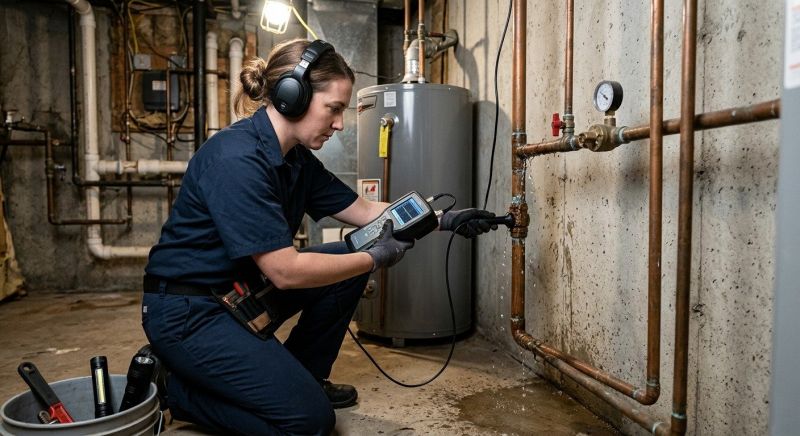
Pipe leak detection services involve identifying the precise location of leaks within a property's plumbing system. This service is typically requested for a variety of projects, including suspected hidden leaks behind walls or beneath floors, ongoing water bills that seem unusually high, or signs of water damage such as mold, musty odors, or damp spots. Homeowners often seek this service to prevent further damage, reduce water waste, and address plumbing issues before they become more costly or disruptive.
Before requesting pipe leak detection, property owners usually want to understand the methods used to locate leaks, whether the process is non-invasive, and what areas can be inspected. Knowing the extent of the inspection and any potential need for access to walls, floors, or underground piping helps in planning repairs and minimizing property disruption. Clear communication about the scope of the detection process can ensure a thorough and effective assessment of the plumbing system.
Many property owners in Denver, CO look into Pipe Leak Detection for repairs, replacements, upgrades, and appearance-related improvements.
Identifying Hidden Leaks
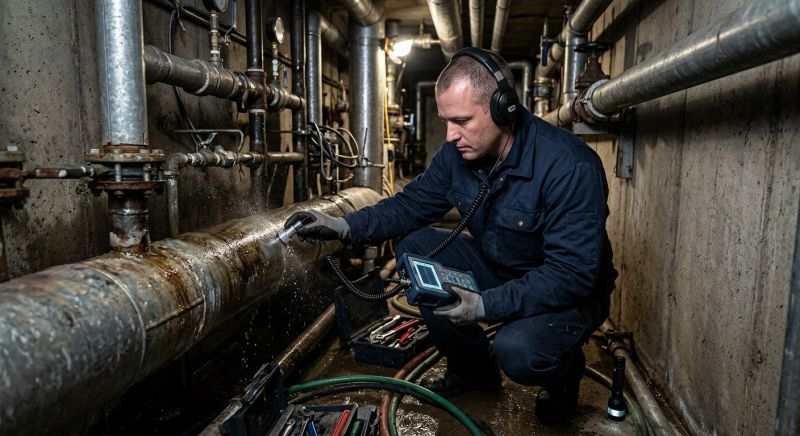
Advanced detection methods reveal leaks that are not visible on the surface.
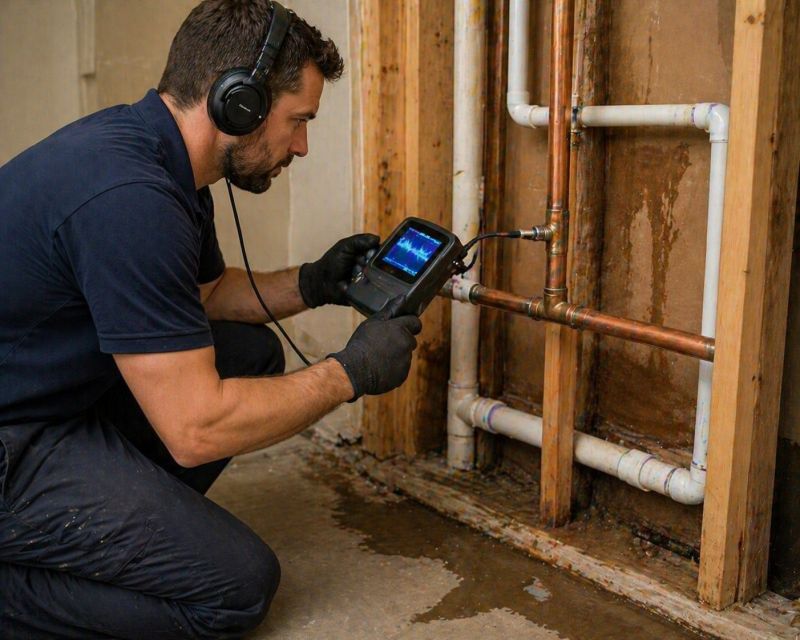
Preventing Property Damage
Early leak detection helps avoid costly repairs caused by water damage and mold growth.
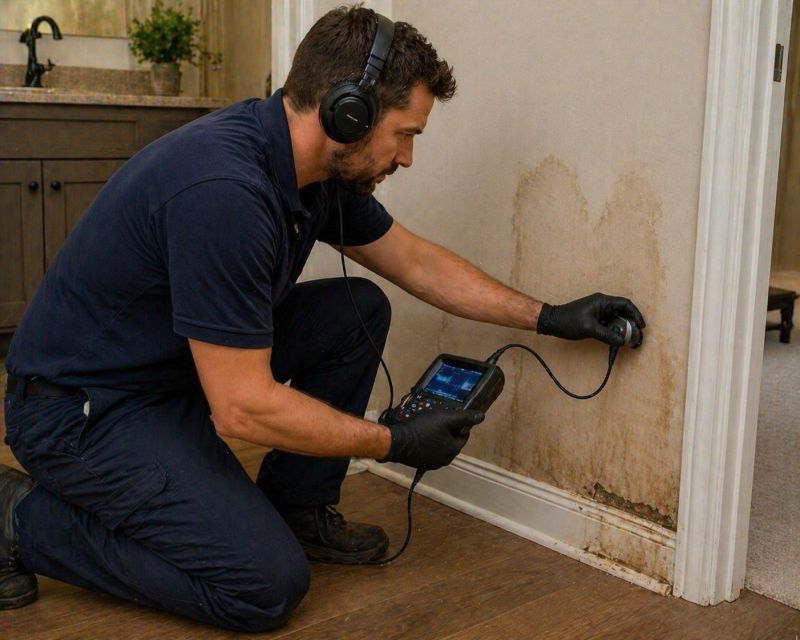
Protecting Plumbing Systems
Accurate location of leaks minimizes disruption and preserves the integrity of plumbing infrastructure in denver homes.
Pipe Leak Detection in Denver, CO

Pipe leak detection services involve identifying the precise location of leaks within a property's plumbing system. This service is typically requested for a variety of projects, including suspected hidden leaks behind walls or beneath floors, ongoing water bills that seem unusually high, or signs of water damage such as mold, musty odors, or damp spots. Homeowners often seek this service to prevent further damage, reduce water waste, and address plumbing issues before they become more costly or disruptive.
Before requesting pipe leak detection, property owners usually want to understand the methods used to locate leaks, whether the process is non-invasive, and what areas can be inspected. Knowing the extent of the inspection and any potential need for access to walls, floors, or underground piping helps in planning repairs and minimizing property disruption. Clear communication about the scope of the detection process can ensure a thorough and effective assessment of the plumbing system.
Many property owners in Denver, CO look into Pipe Leak Detection for repairs, replacements, upgrades, and appearance-related improvements.
Common Pipe Leak Detection Jobs
Residential plumbing inspections - identify hidden leaks within walls and underground pipes.
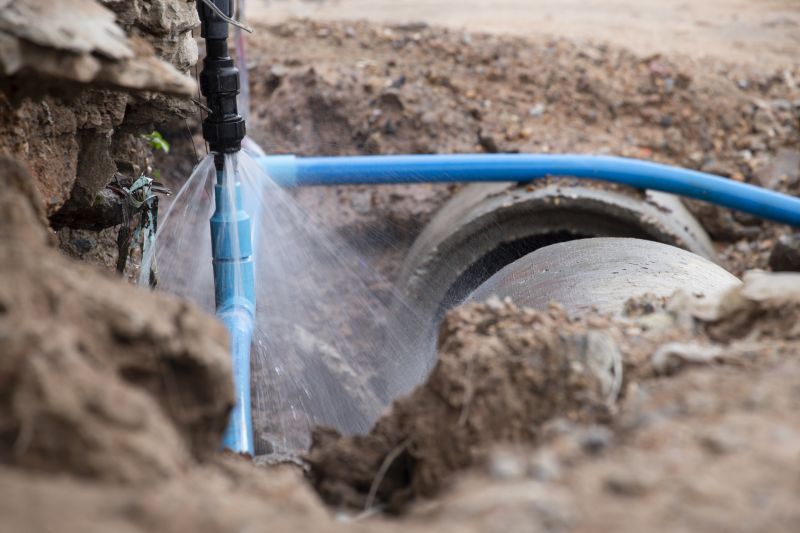
Underground pipe scans - locate leaks in buried water lines without excavation.
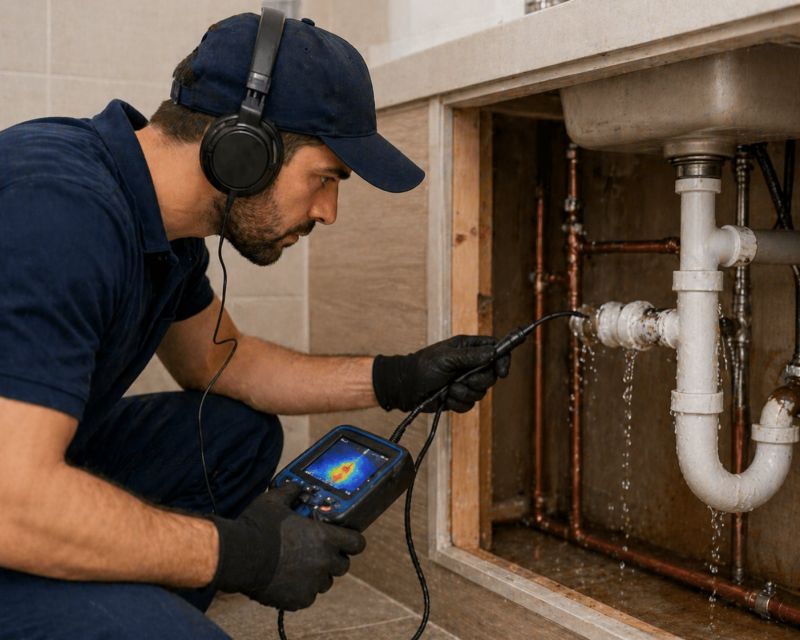
Bathroom and kitchen leak detection - find leaks behind fixtures and under sinks.
Commercial property leak detection - monitor large-scale plumbing systems for early leak signs.
Emergency leak pinpointing - quickly locate leaks causing water damage or pressure drops.
Pipe integrity assessments - evaluate pipe condition to prevent future leaks and failures.
Pipe Leak Detection Questions
How can I tell if my property has a hidden pipe leak? Signs include unexplained increases in water bills, damp spots on walls or floors, and the sound of running water when fixtures are off.
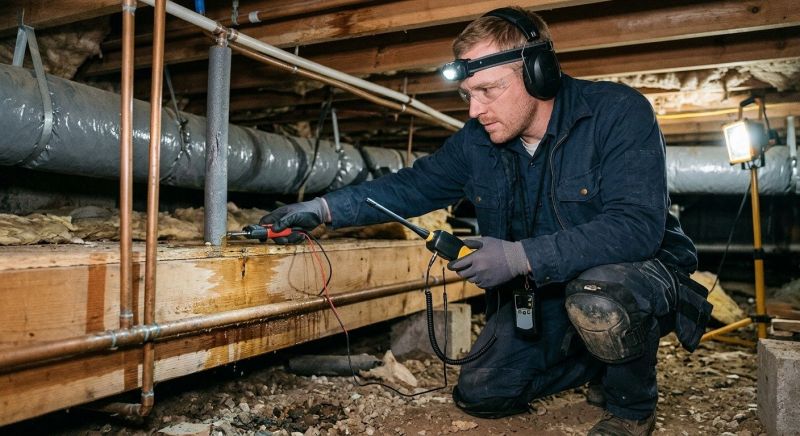
What methods are used for pipe leak detection? Techniques such as acoustic sensors, thermal imaging, and pressure testing help locate leaks without extensive digging.
Why is early leak detection important? Detecting leaks early can prevent water damage, reduce repair costs, and conserve water resources on the property.
What types of pipes are typically checked for leaks? Commonly inspected pipes include those in plumbing systems, irrigation lines, and underground water mains.
Request Pipe Leak Detection in Denver, CO
Use the quote form on this page to share the basics of your project and request more information for the type of work you need.